Category: EMDR & Trauma
-

If Christmas leaves you wired, tired, and over it, you’re not alone, your nervous system might be stuck in survival mode. This article explores the difference between true regulation and short-term relief, and why doing less might actually bring more peace.
-

22nd December 2025 By Roger Hughes | EMDR Therapist & Trauma-Informed Coach Thank you for being here. If something in this article resonates with you and you’d like to talk, you’re very welcome to get in touch. You can also browse other articles or return to the homepage if you’d like to explore more. And…
-

Trauma-informed” is everywhere, but few understand what it truly demands. This article exposes how the term has been diluted in modern practice, why nervous system literacy is essential, and what it really takes to hold trauma with integrity, presence, and precision.
-
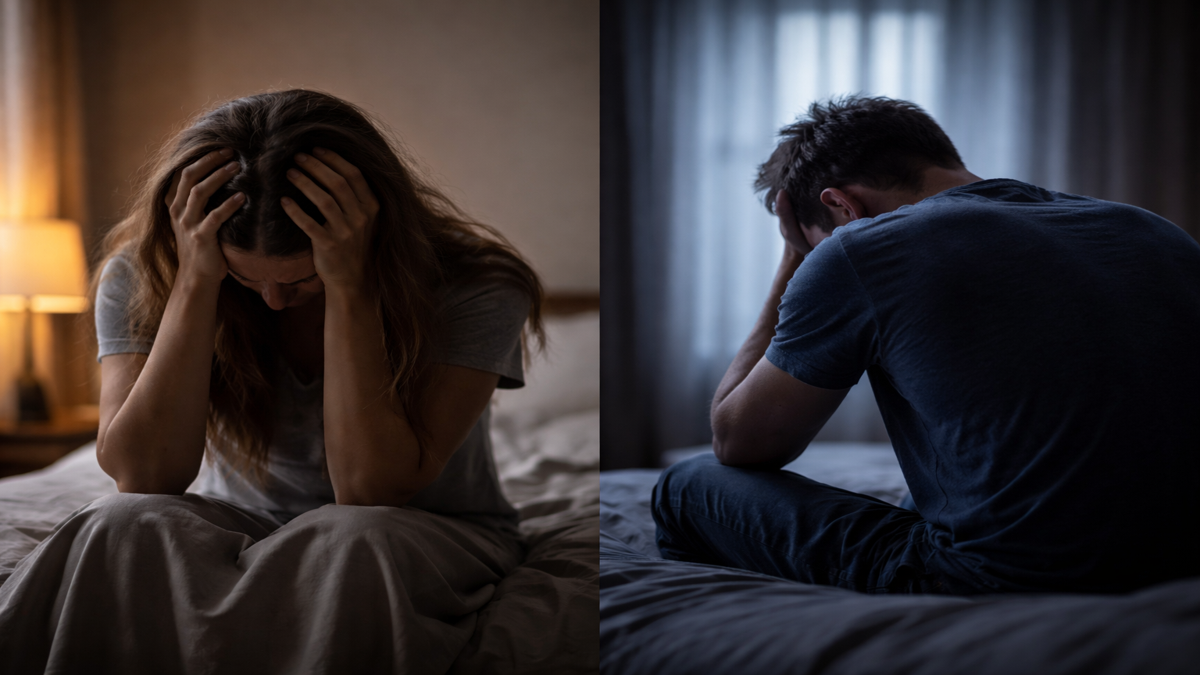
The NHS is promising trauma-informed care for domestic abuse survivors, but will it truly deliver? This article examines what’s changing, who’s still being overlooked, and why real trauma support means more than policy shifts. It demands systems that see every survivor, not just statistics.
-

AI can simulate empathy, but it can’t regulate a nervous system in crisis. This article explores why trauma therapy depends on human presence, attunement, and clinical responsibility — and what recent failures reveal about the dangers of replacing care with code.
-
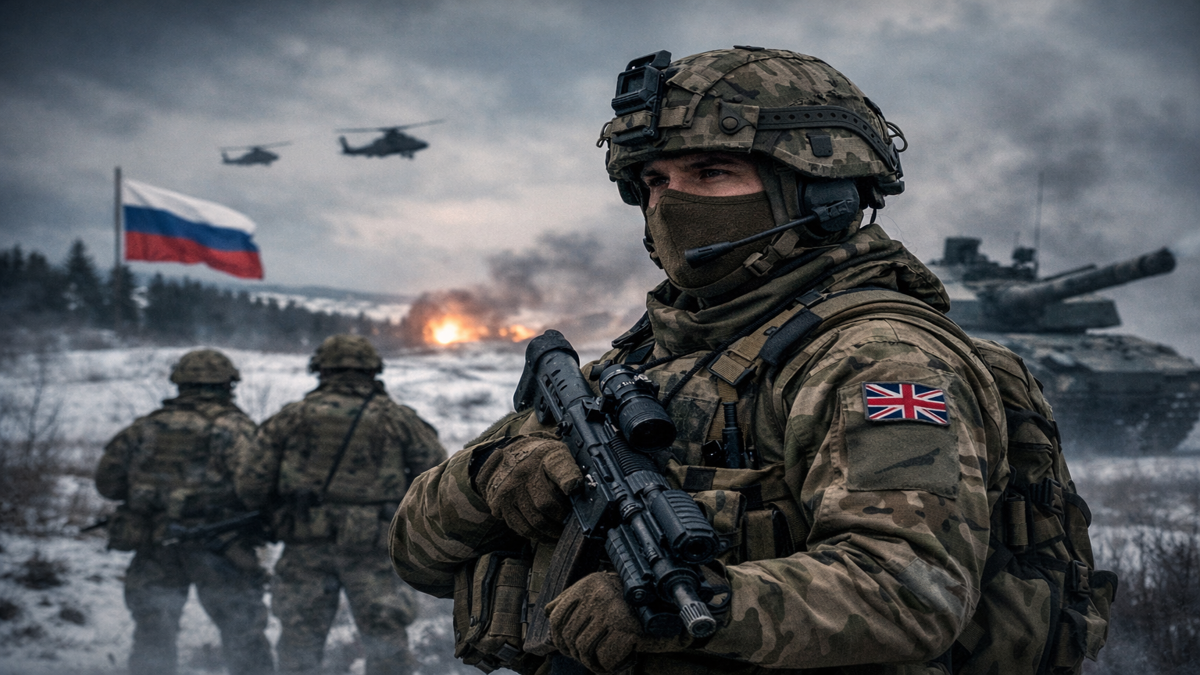
When the body never stands down, readiness becomes a prison, not protection. This article explores the link between military vigilance, trauma hypervigilance and how therapies like EMDR help the nervous system finally feel safe enough to rest.
-
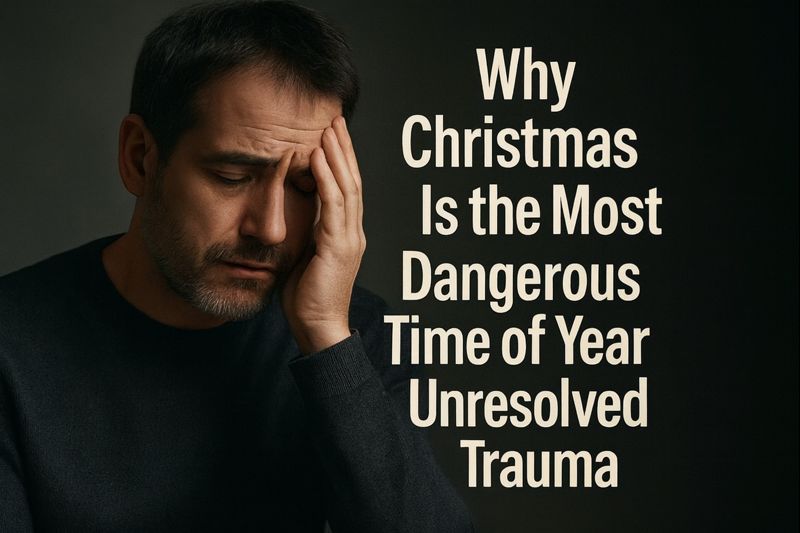
Christmas doesn’t cause trauma, it exposes what structure was holding together. This article reveals why the festive season triggers old wounds, how the body responds when routines stop, and why feeling worse when life gets quiet is a sign of survival, not failure.
-

Bethlehem’s quiet tree-lighting wasn’t about celebration, it was about survival. This article explores how trauma reshapes tradition, why presence matters more than performance, and what this simple act of light reveals about grief, hope, and healing in a world still aching.
-

When social media stops cold, the teenage brain doesn’t relax, it destabilises. This article unpacks the neuroscience behind sudden digital withdrawal, why dopamine crashes mimic emotional crisis, and what teens really need when their coping tools vanish overnight.
-

Australia just banned social media for under-16s, but what happens when teens lose their lifeline overnight? This article explores the nervous system shock, emotional fallout, and what’s missing when we remove the crutch without healing the wound.