Category: EMDR & Trauma
-

What if your inability to move forward isn’t weakness, but wisdom? This article challenges the myth of laziness and shows how stillness can be a sign of protection, not failure, and why healing doesn’t begin with action, but with safety.
-

Imposter syndrome doesn’t mean you’re broken — it means your nervous system is trying to protect you. This article explains the real reason it doesn’t go away, and how trauma-informed therapy helps high achievers finally feel at home in their success….
-

New Year’s resolutions don’t fail because you lack willpower. They fail because your nervous system isn’t ready for change. This article explores why lasting change starts with regulation, not motivation.
-
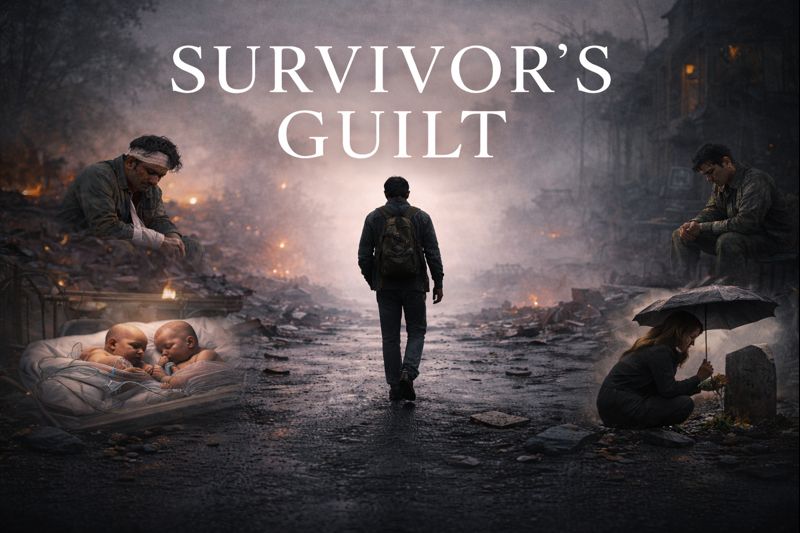
Survivor’s guilt is a profound trauma response, not just feeling bad, but feeling broken by having lived. Whether it follows disaster, loss, or early attachment wounds, it can create a deep sense of unworthiness. This article explores how survivor’s guilt forms, why it lives in the body, and how trauma-informed healing can help.
-

By Roger Hughes | EMDR Therapist & Trauma-Informed Life Coach 30th December 2025 Thank you for being here. If something in this article resonates with you and you’d like to talk, you’re very welcome to get in touch. You can also browse other articles or return to the homepage if you’d like to explore more.…
-

When fireworks meet firearms, celebration turns uneasy. This piece explores how heightened security, unresolved trauma, and collective hypervigilance shape the way we experience safety and what Sydney’s New Year reveals about the human nervous system under stress.
-

Grief isn’t just sadness, it’s a biological reset that rewires how you think, feel, and function. This article explores how grief lives in the nervous system, why it mimics burnout or depression, and what real healing requires when loss turns your world inside out.
-

Constant crisis headlines don’t just stress you out, they train your nervous system to stay in survival mode. This article unpacks why the modern news cycle fuels anxiety, emotional shutdown, burnout and how to reclaim regulation in a world that never turns off.
-

Boxing Day doesn’t feel calm, it feels flat, foggy, and oddly emotional. This article unpacks why your nervous system crashes after weeks of festive pressure, how relief masks depletion, and why stillness can feel more like collapse than recovery.
-

Old wounds don’t vanish at Christmas, they show up disguised as mood swings, shutdowns, or people-pleasing. This article explores how holiday triggers awaken childhood roles, unprocessed trauma, and nervous system responses that make Christmas feel less like a celebration, and more like survival.